Working pressure
Atmospheric Pressure
↓
20,000 Pa(a)

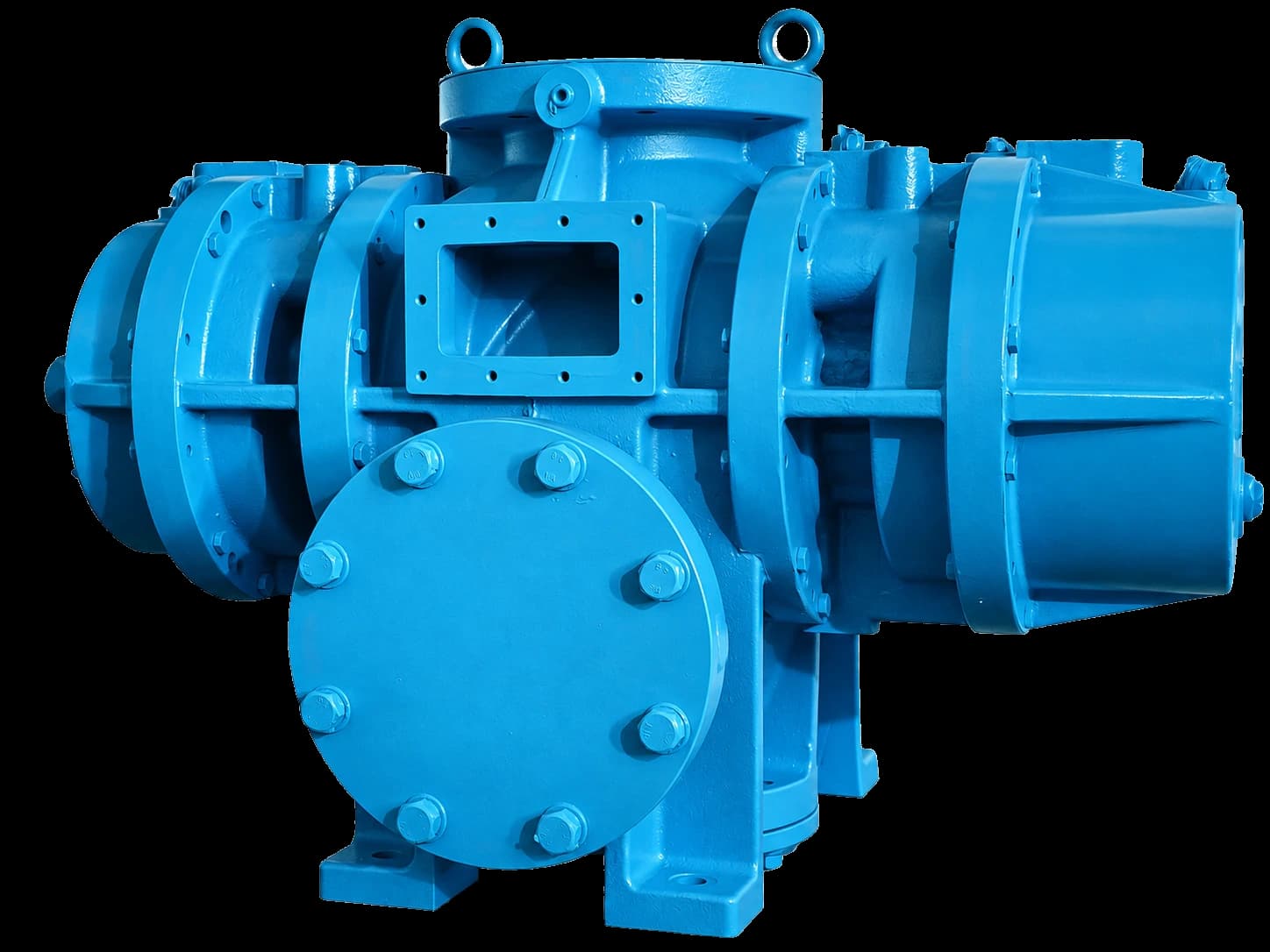
SDR rough vacuum System
Review the TF platform for rough-vacuum duty, then compare the current models against your process conditions.
Working pressure
Atmospheric Pressure
20,000 Pa(a)
Volumetric flow rate
15.72 m3/min
337.79 m3/min
Process gas
Process gas helps us review materials, sealing, cooling, and inlet protection.
Platform technology

The optimized 3:4 screw rotor profile moves gas from suction to discharge as the working volume changes, creating a continuous compression path designed around the TF Series’ intended operating conditions.
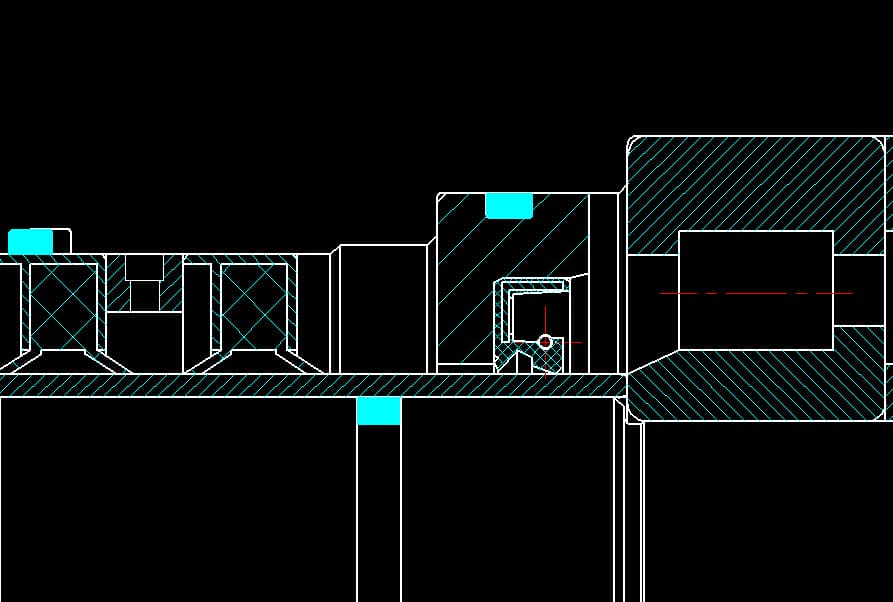
Gas composition, vapor, inlet temperature, corrosion risk, wet carryover, and solids can all affect seal and material choices, as well as the protection needed around the pump. We review these conditions against the process stream.
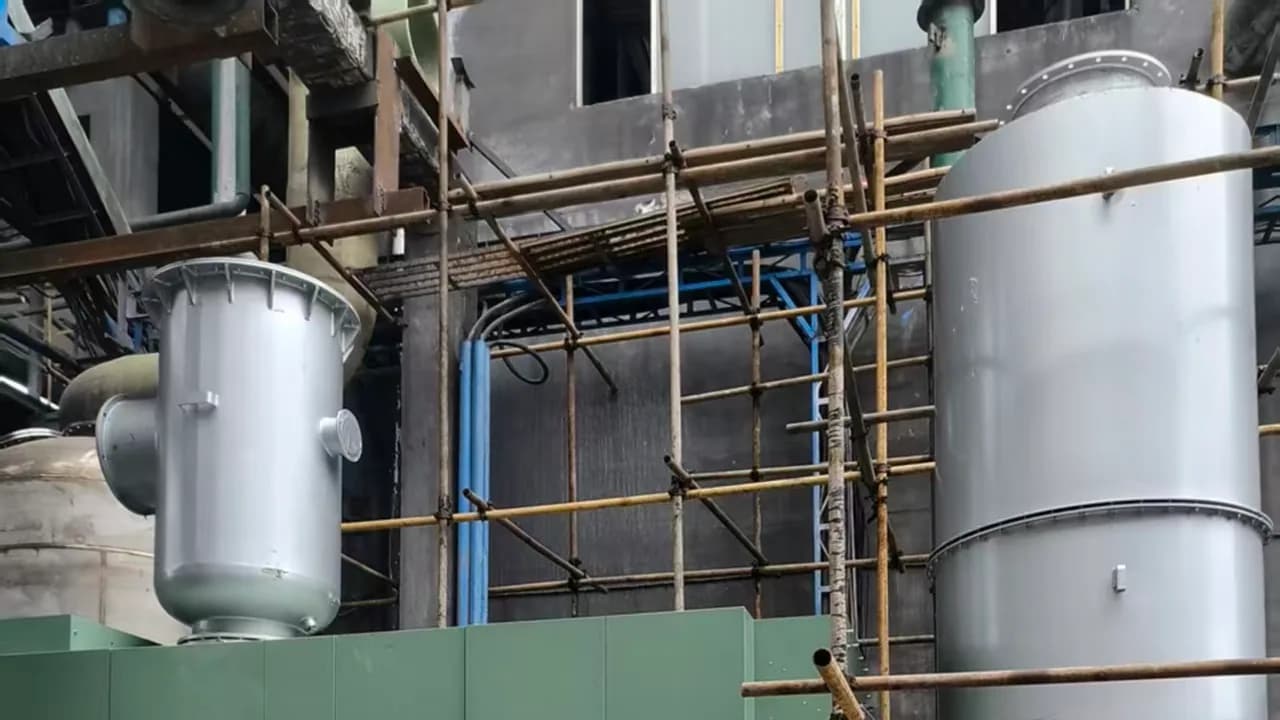
We review cooling and inlet protection against the process conditions. If vapor, condensate, droplets, dust, or debris may enter, the package may need separation, filtration, drainage, or other protection before we confirm the configuration.
Configuration review
These checks are part of every TF inquiry. Gas composition, vapor or liquid carryover, dust, and site conditions can all affect pump selection and operation, even when they are easy to overlook at first.
01Operating point and installation
We confirm the working pressure and required volumetric flow rate, then check the piping, utilities, controls, and installation limits. For a replacement or retrofit, the existing pump gives us useful context.
02Process gas and liquid carryover
We review the process gas in every inquiry, including any vapor, condensate, or liquid carryover. These can affect the need for separation, filtration, and drainage, as well as the pump's seals, materials, and protection.
03Dust and solid particles
We check the inlet stream for dust and solids, then determine whether inlet protection is needed to keep them out of the pumping chamber.
04Temperature, duty cycle, and site conditions
We confirm inlet temperature, operating pattern, and site requirements as part of the review. To get started, send the working pressure and required volumetric flow rate; we can go through the remaining details together.
Available machines
Compare the published operating points below, then open a model page for more details and a process-specific review.
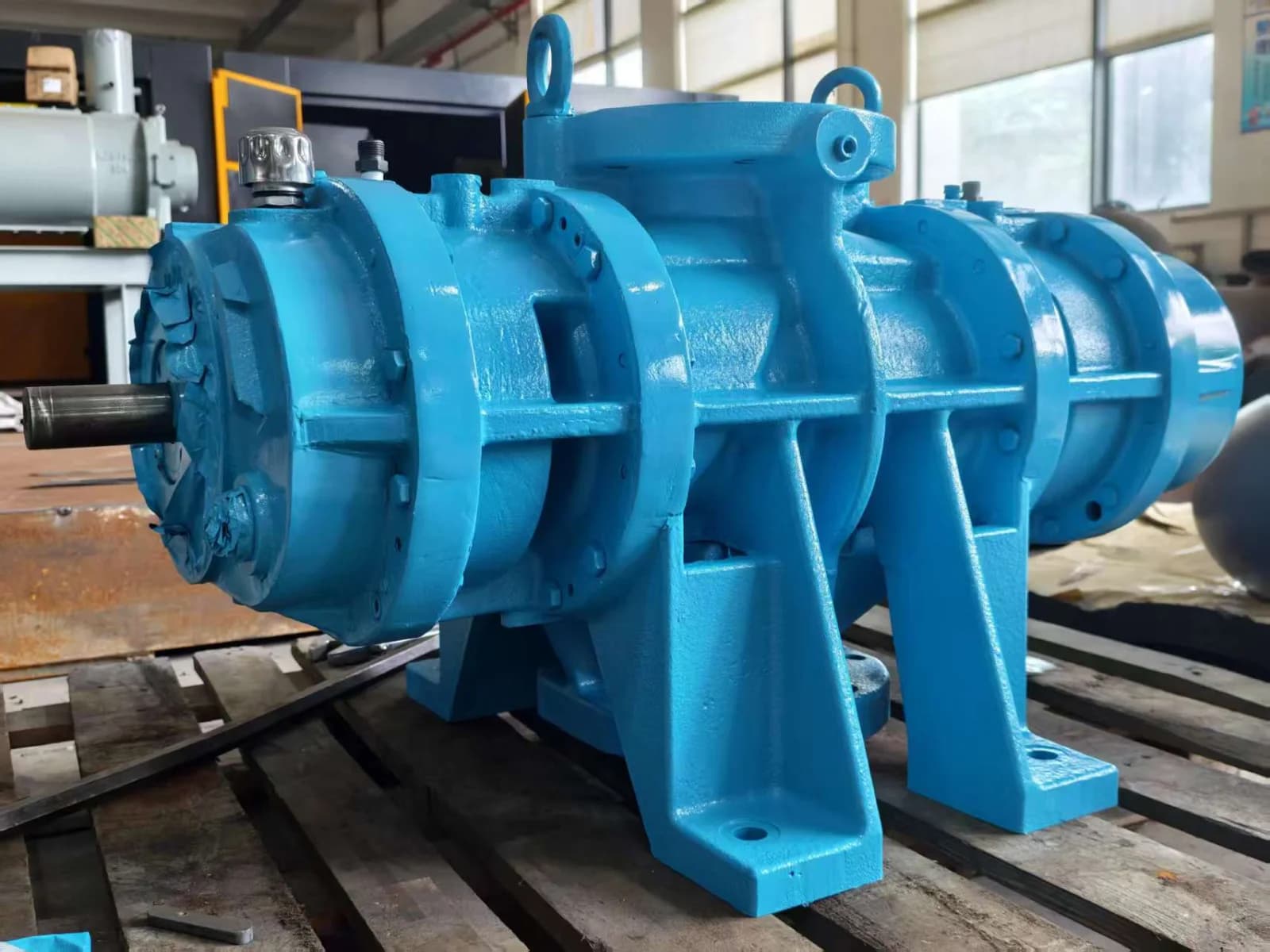
TF105 is listed for rough-vacuum duties. Its two published operating points show how volumetric flow rate varies with working pressure.
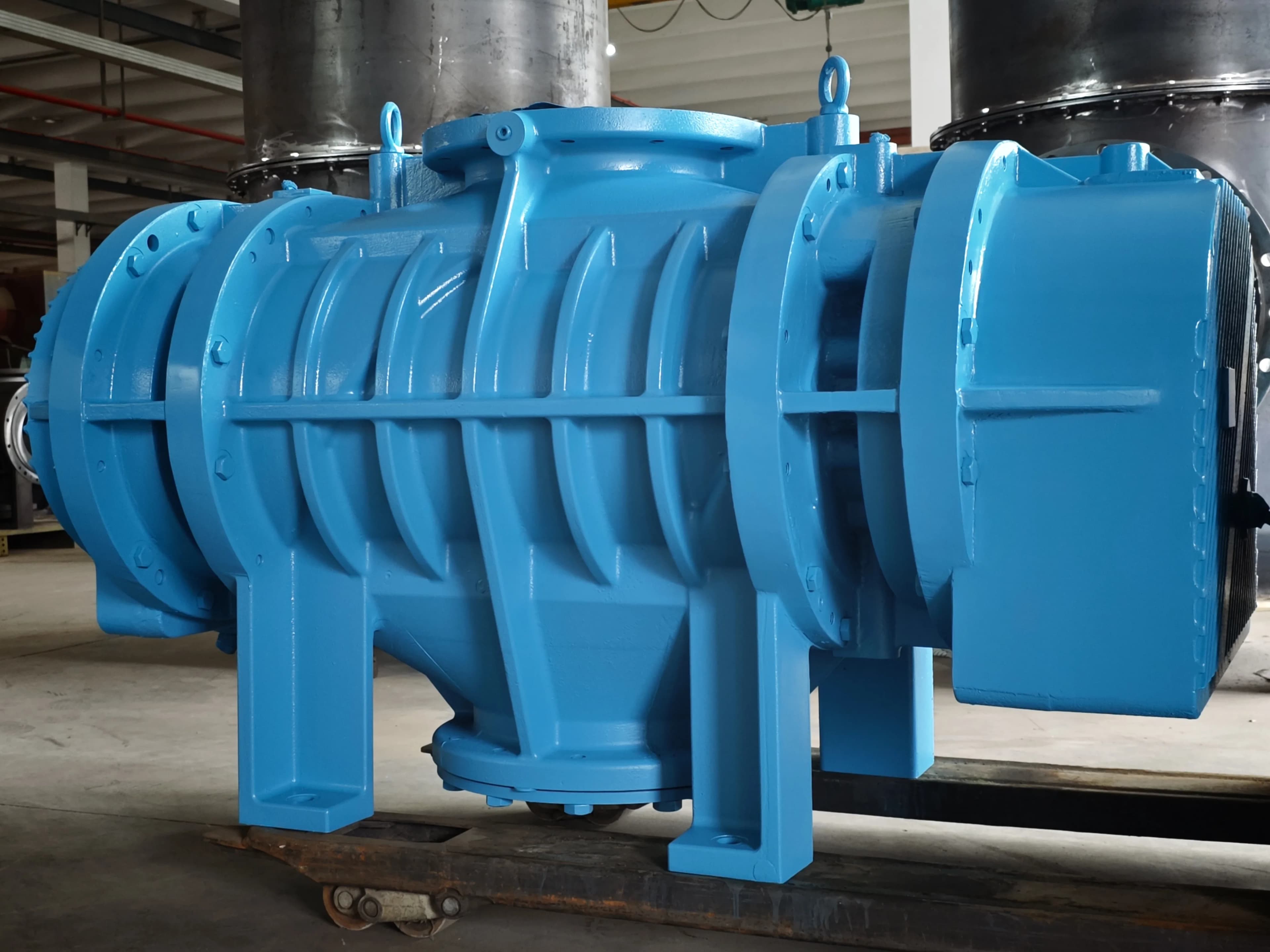
TF225 is the larger model shown here. Its published operating point provides a starting point for an RFQ; we confirm the actual duty and process conditions before recommending a configuration.
Application references
These cases cover thermoforming and dewatering duties, with each page detailing its project conditions and operating point.
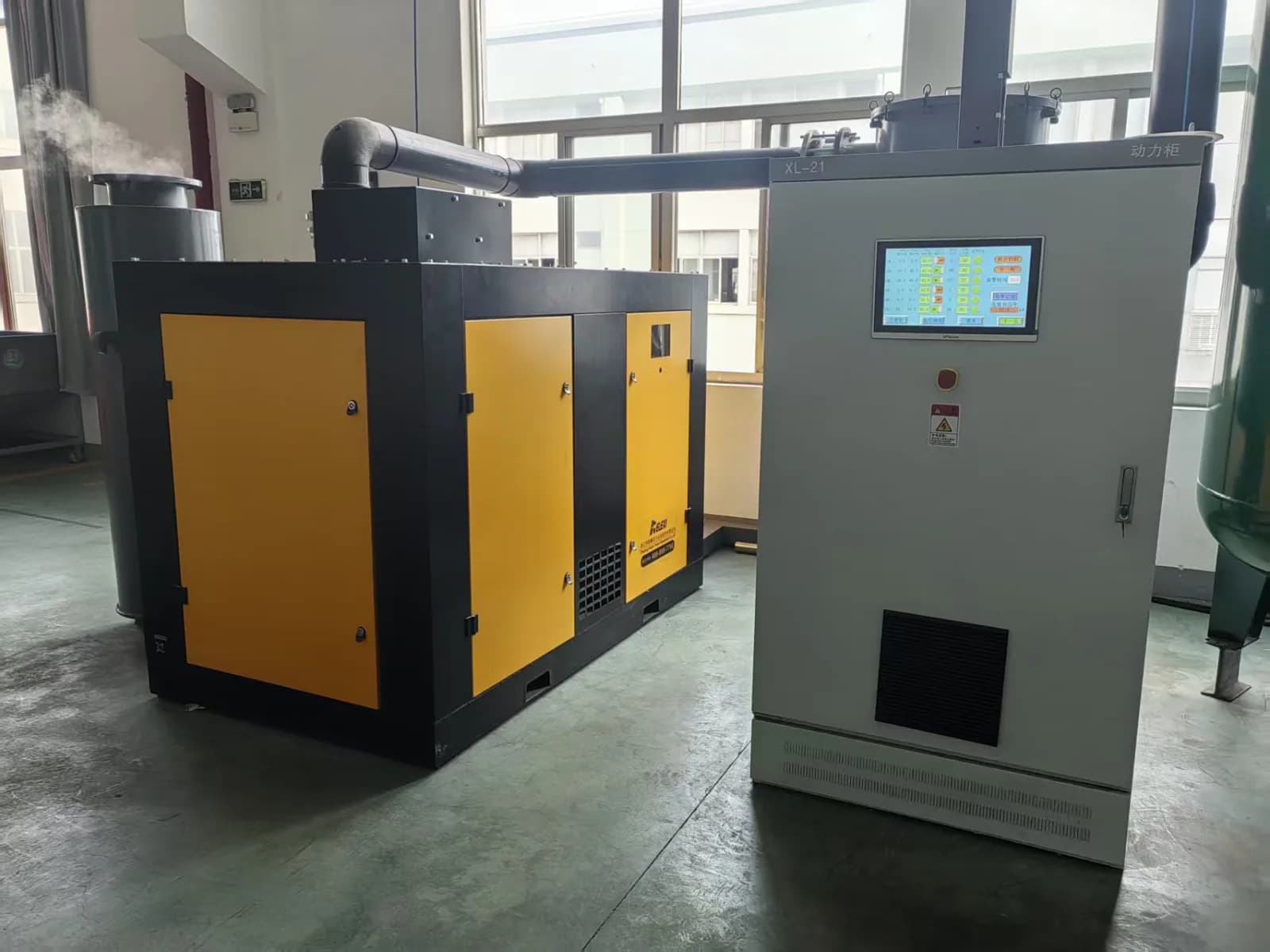
TF105
One TF105 was tested for 24 hours on the same thermoforming line under the customer's operating conditions. The required volumetric flow rate was 17.8 m3/min at 40,000 Pa(a).
Read the TF105 case study →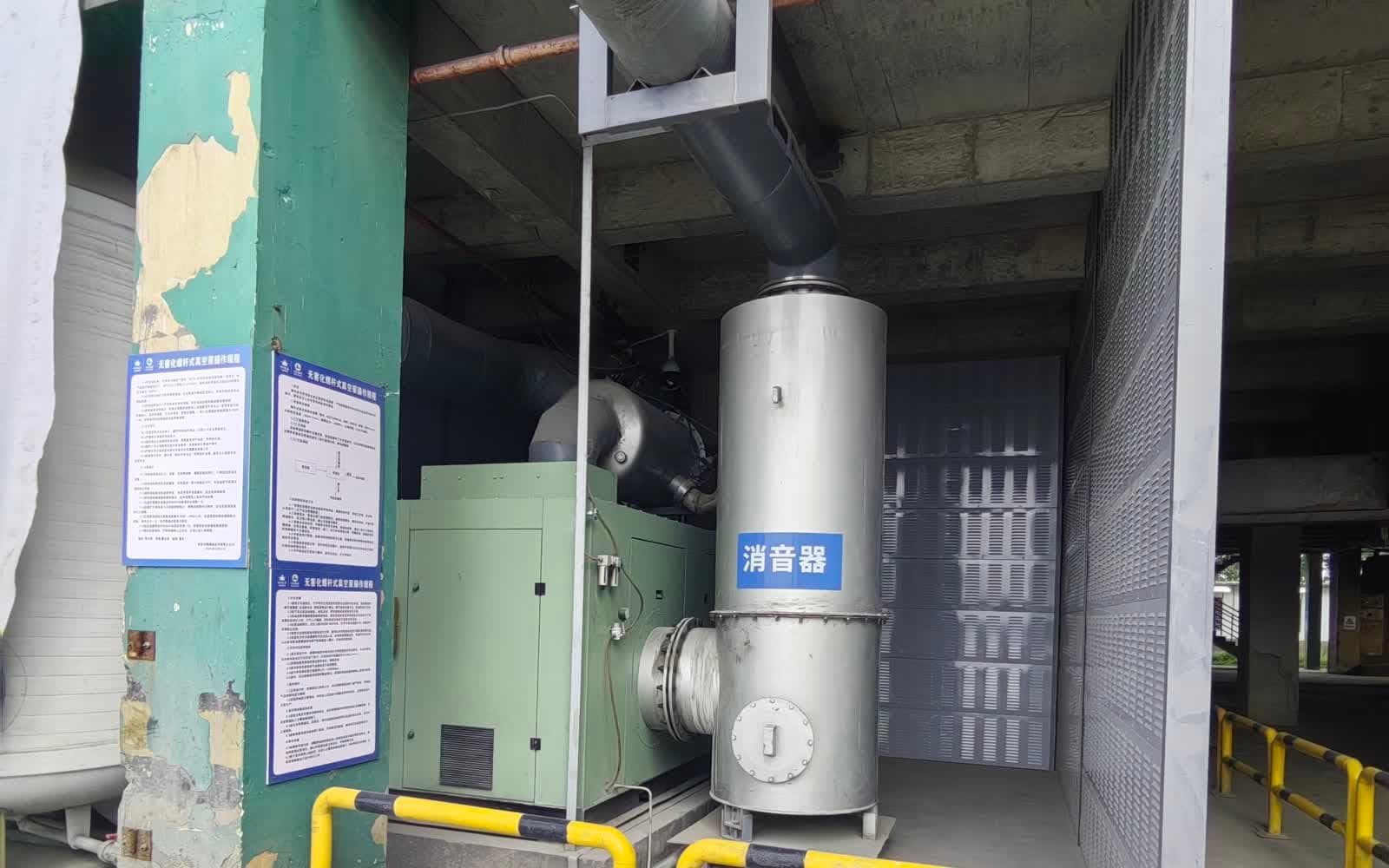
TF238
For phosphogypsum dewatering, one TF238 supplied vacuum to a belt filter. The required volumetric flow rate was 183 m3/min at 30,000 Pa(a).
Read the TF238 case study →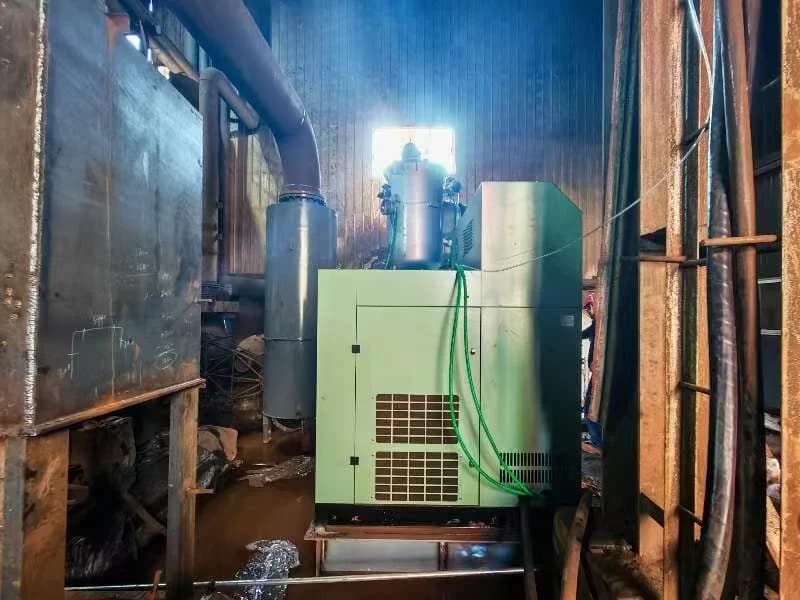
TF273L
During customer-site testing, one TF273L supported three production lines for iron ore dewatering. The required volumetric flow rate was 210 m3/min at 25,000 Pa(a).
Read the TF273L case study →FAQ
Send the working pressure and required volumetric flow rate first. We can then review the process medium, operating pattern, current equipment, and site limits with you.