
Blog
Note to Vacuum Pump Buyer
Practical articles for engineers and buyers preparing vacuum pump selection, RFQ data, and process-vacuum decisions.
Selection Guide
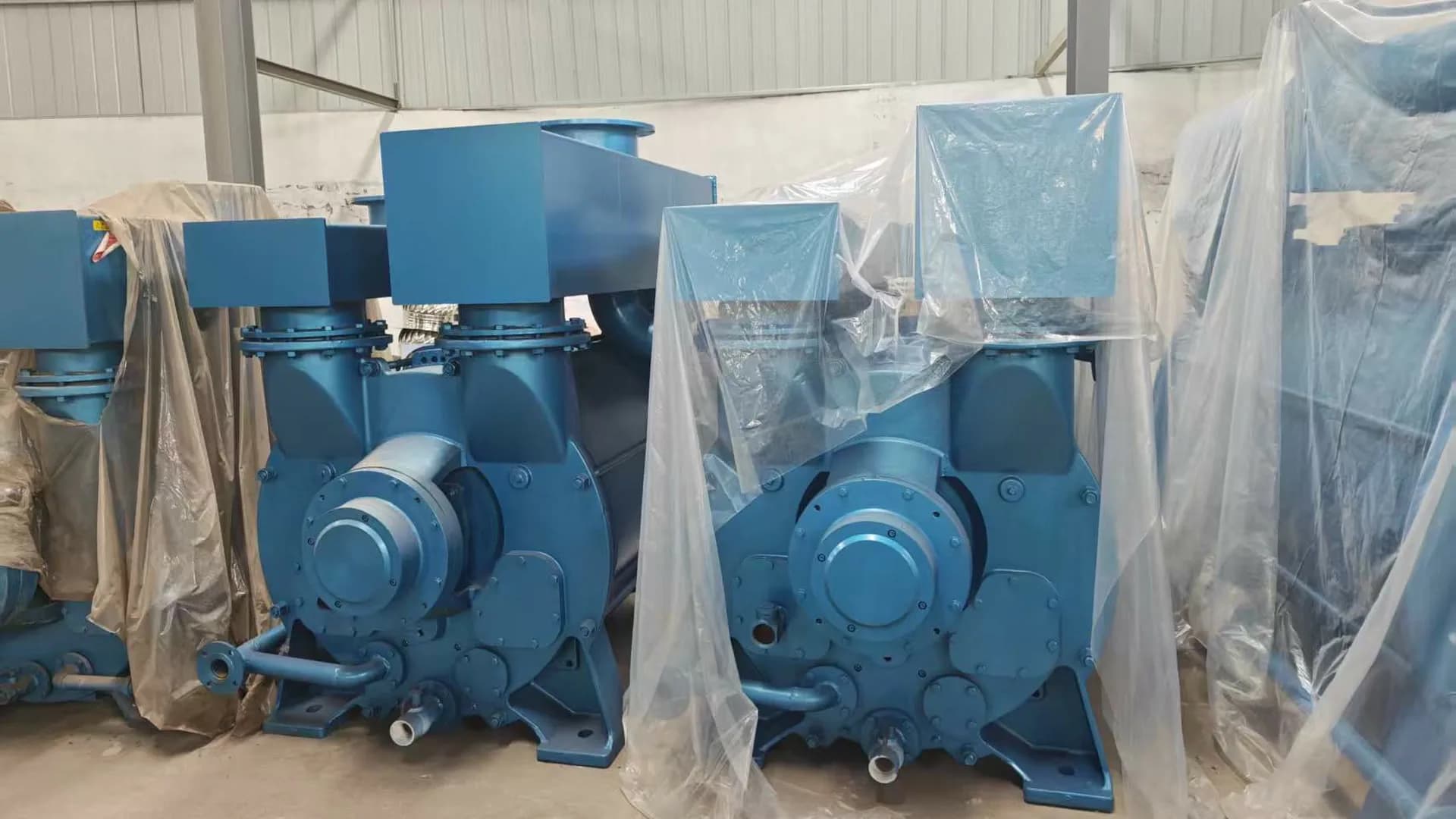
How Should You Review a Water-Ring Vacuum Pump Replacement on a Shared Vacuum Header?
Review a failed water-ring pump on a shared vacuum header: confirm working pressure, required volumetric flow rate, branch demand, controls, and site limits.
Selection Guide
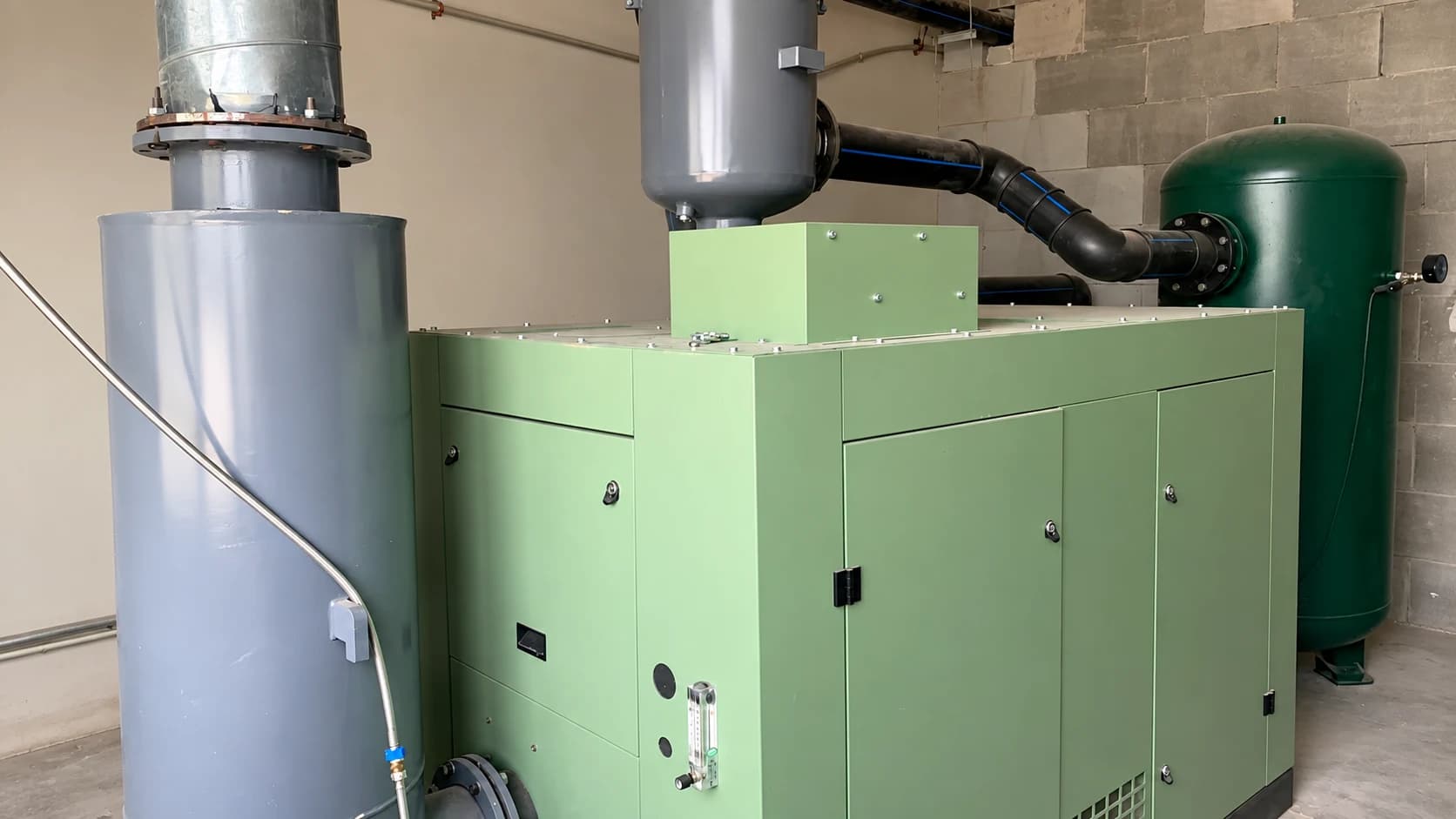
How Does Ambient Temperature Affect Dry Screw Vacuum Pump Installation and Operation?
Ambient temperature changes the thermal conditions around a dry screw vacuum pump. We review the pump location, cooling conditions, inlet-gas temperature, working pressure, required volumetric flow rate, and duty cycle together before confirming a model-specific installation approach.
Selection Guide
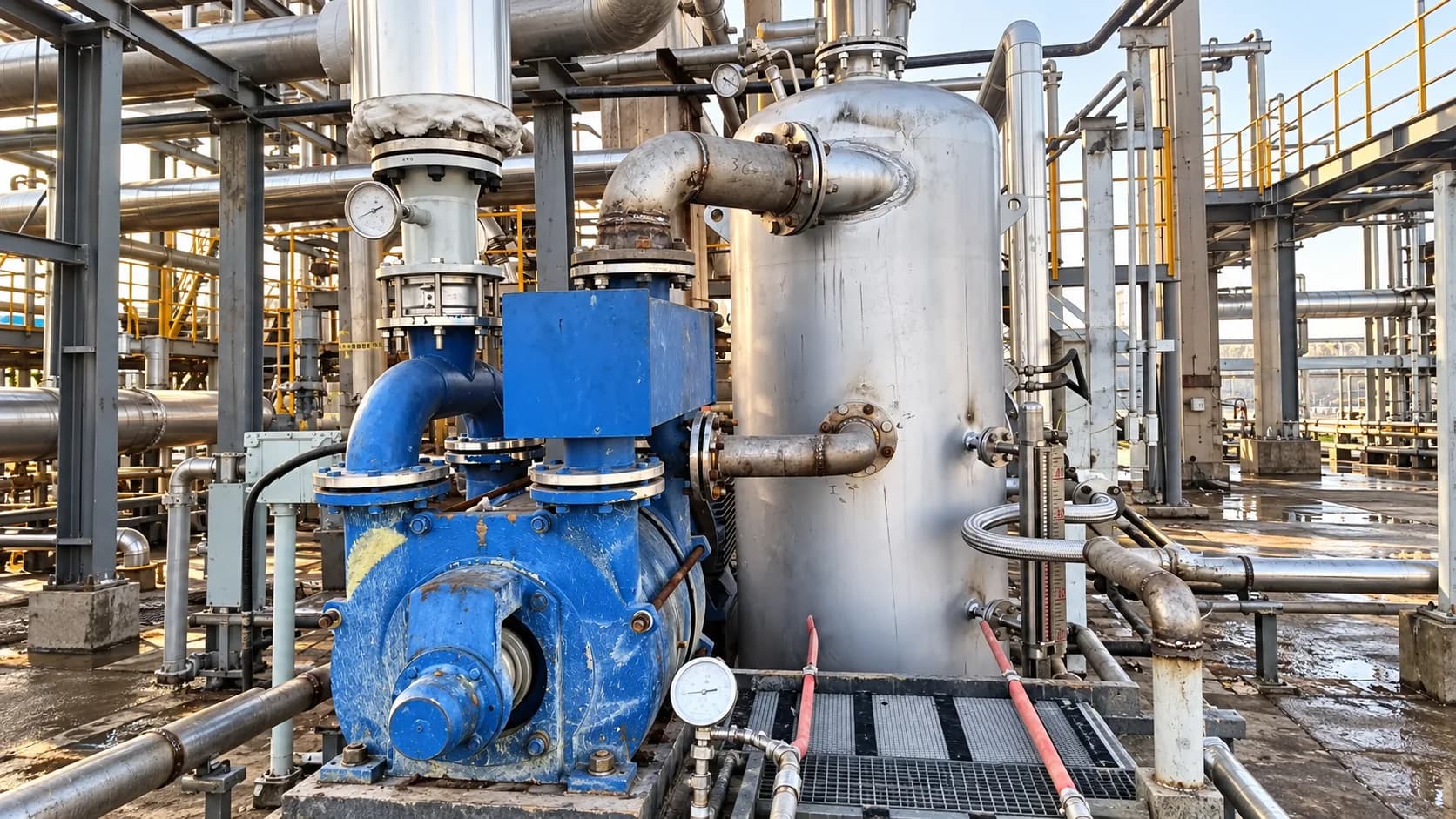
When Should You Replace a Water Ring Vacuum Pump with a Dry Screw Vacuum Pump?
A dry screw replacement review may be worth starting when a continuously operated water-ring system has high electricity or water demand, loses vacuum stability as water temperature rises, or creates recurring maintenance, wastewater, or environmental-control work. This guide explains how we review the operating point and system boundary before recommending a configuration.
Technical Guide
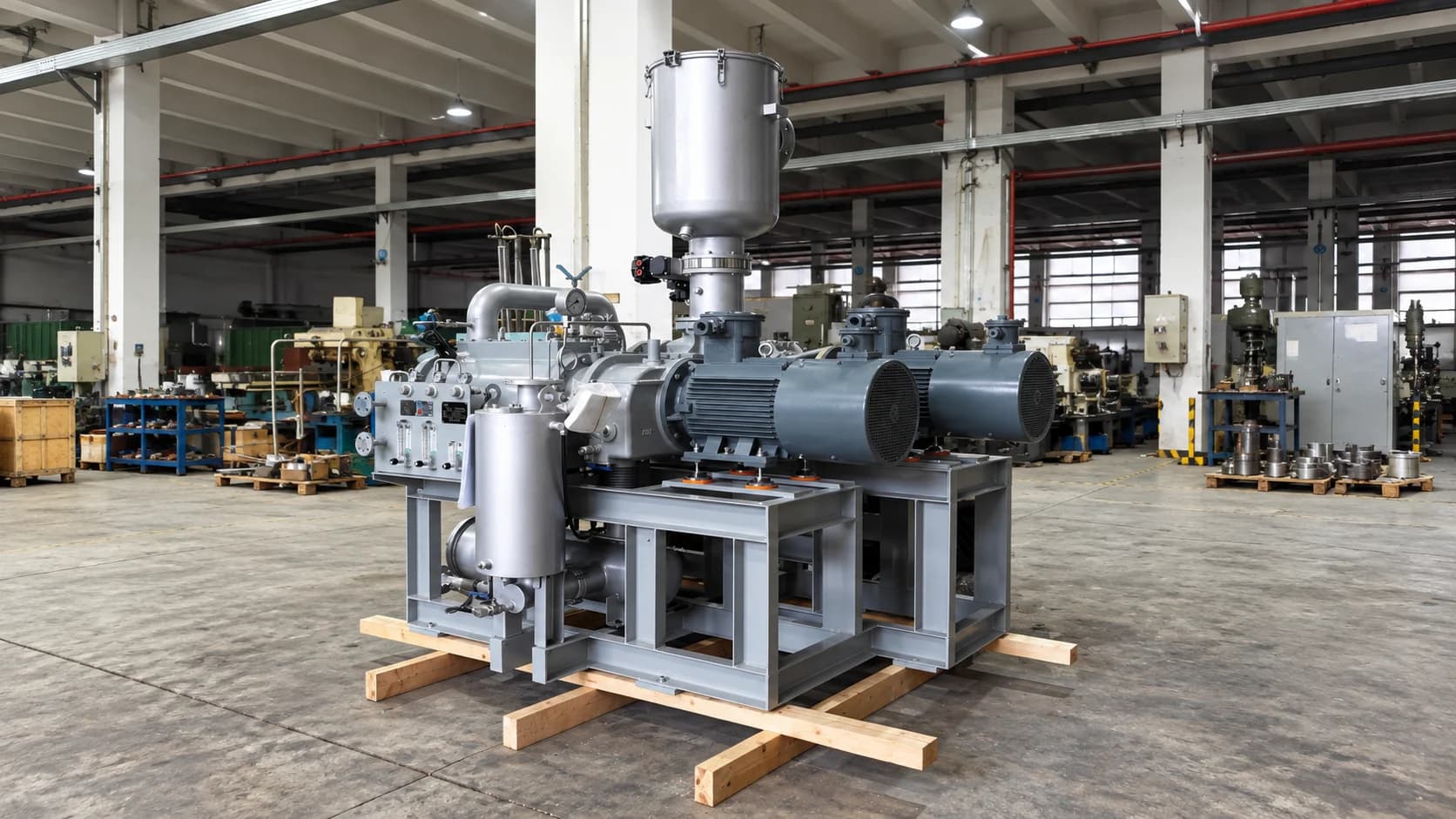
How Does a Dry Screw Vacuum Pump Work?
A dry screw vacuum pump uses two synchronized, non-contacting rotors to draw in gas, move it through the pumping chamber, compress it, and discharge it. This article explains the operating principle and the process data we review before selecting a pump.
Application Selection
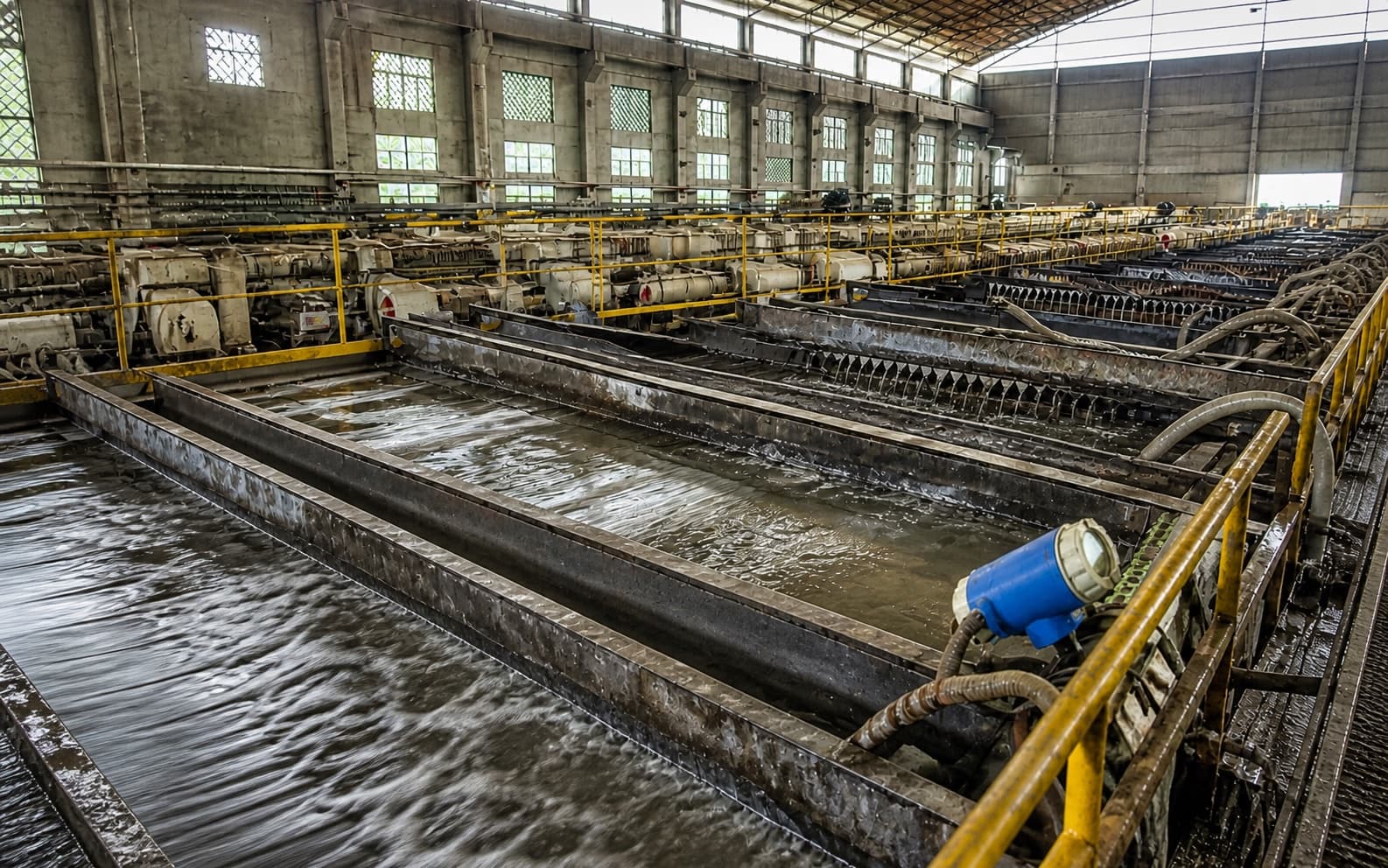
Vacuum pump selection for filtration and dewatering applications
For filtration and dewatering, select the vacuum pump at the working pressure and required volumetric flow rate, then review the vacuum cycle, leakage, wet carryover, liquid condition, solids risk, and inlet protection.
Selection Guide
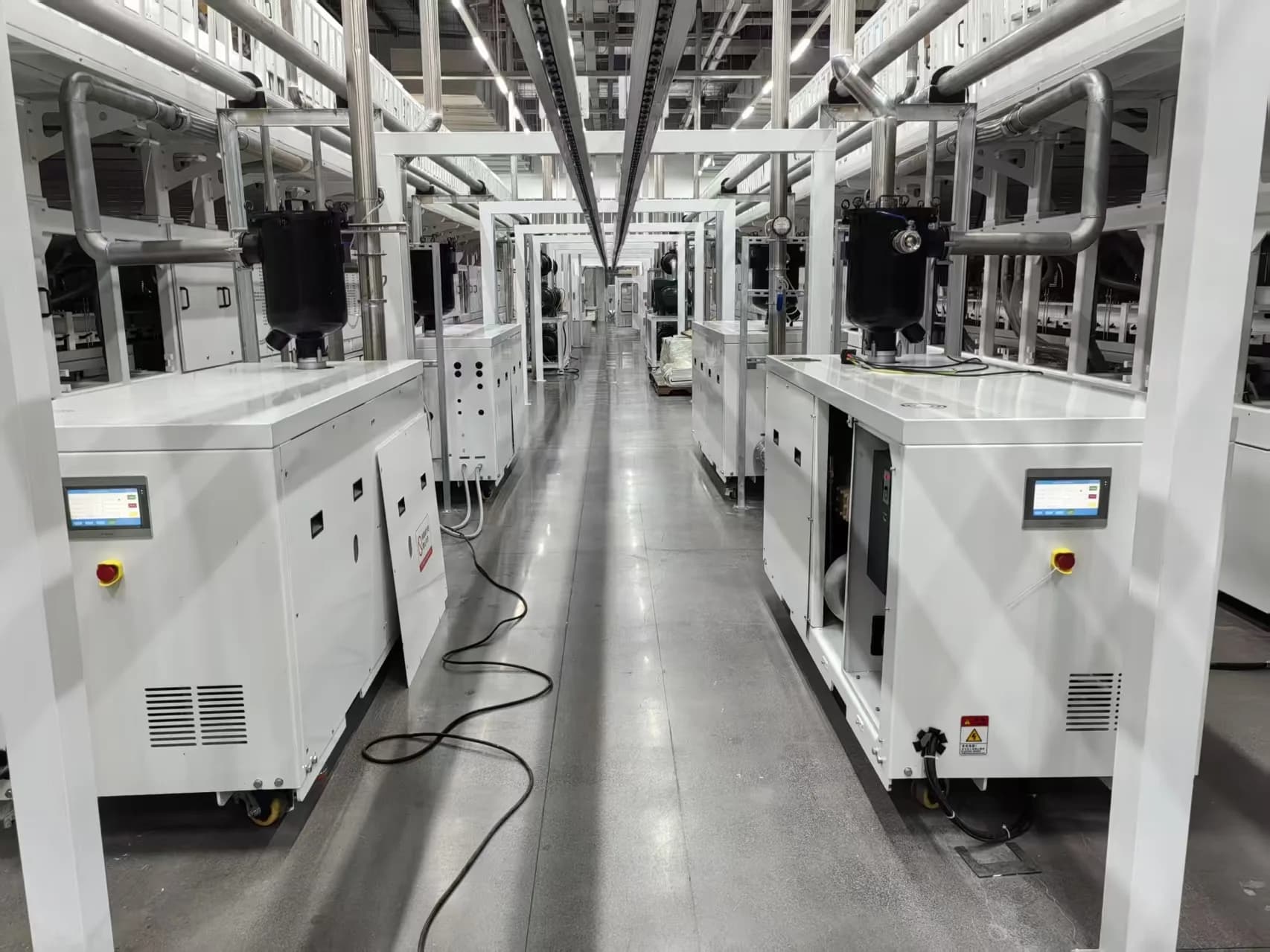
What to check when liquid carryover appears in a vacuum pump application
Start with pressure and required volumetric flow rate. When liquid carryover is possible, the pump review also needs the liquid type, corrosion risk, solids, separation, drainage, purge, and restart behavior.
Selection Guide
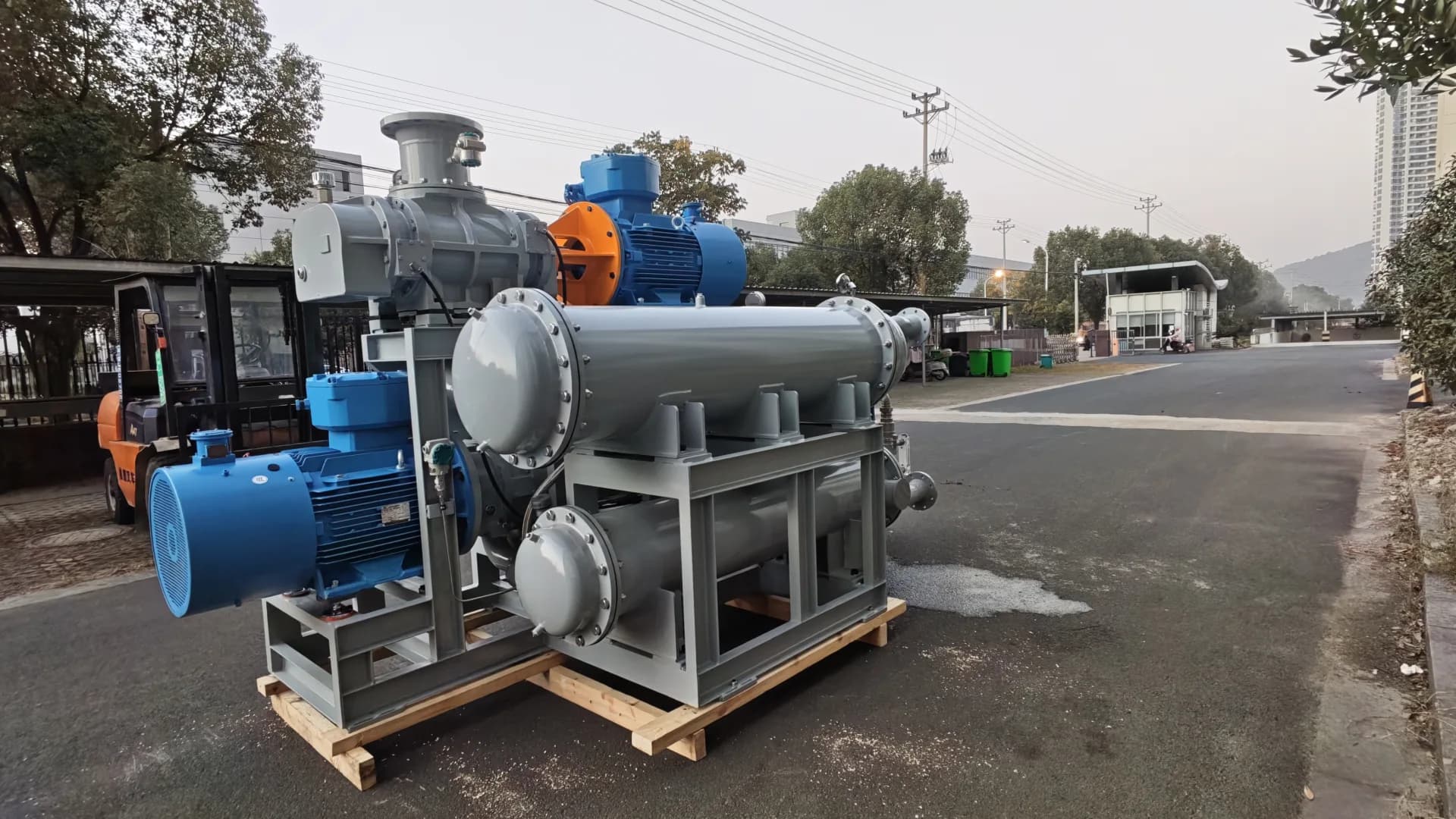
How gas composition and vapor condition affect vacuum pump selection
Start with pressure and required volumetric flow rate. Gas composition and vapor condition can then shape the material, sealing, cooling, purge, safety, and discharge review.
Selection Guide
How inlet gas temperature affects vacuum pump selection
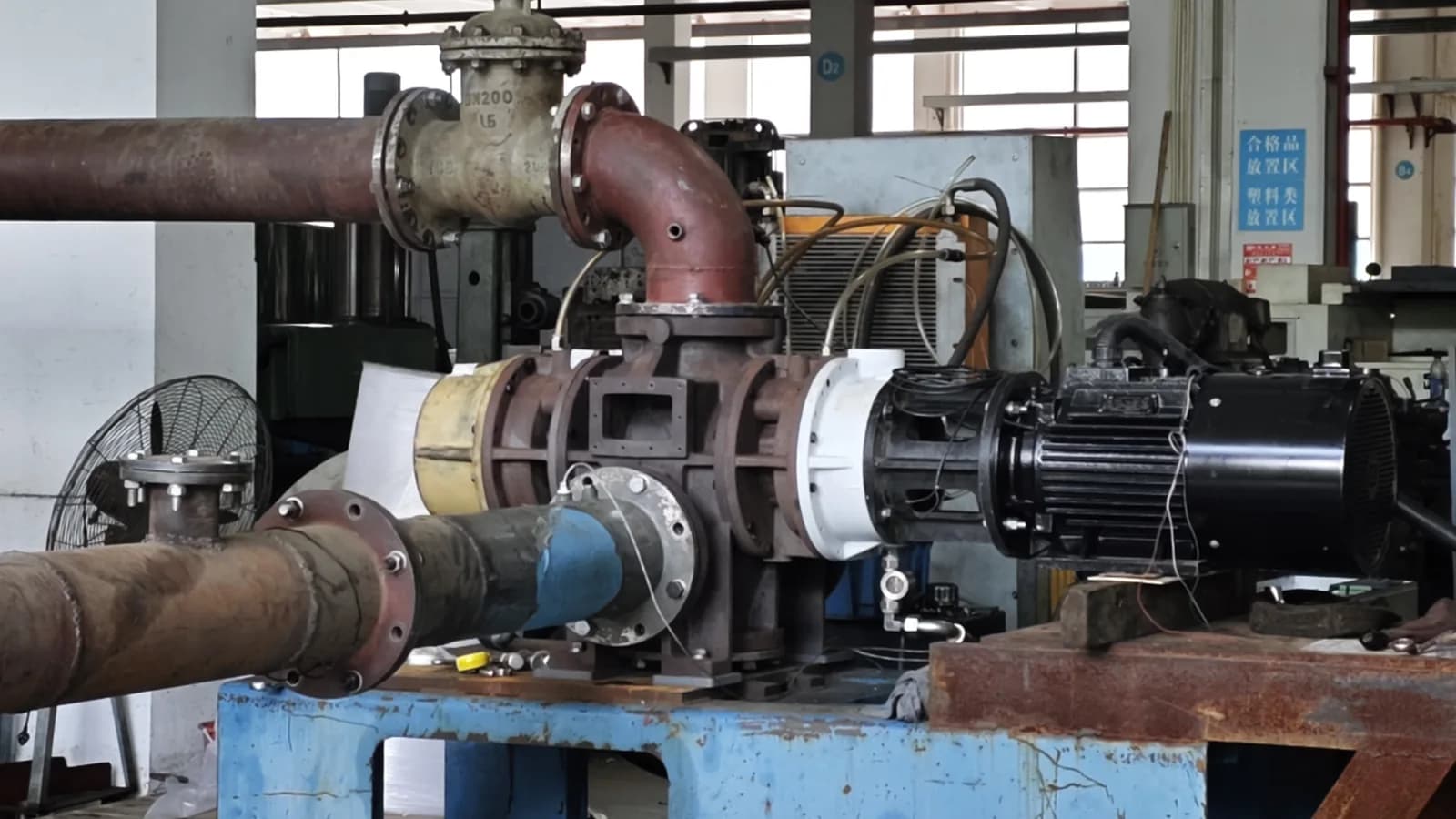
Start with pressure and required volumetric flow rate, then confirm inlet gas temperature. Hot gas can change the review around compression heat, rotor clearance, sealing materials, cooling design, and exhaust-temperature limits.
Application Selection
Vacuum pump selection for plastic thermoforming applications
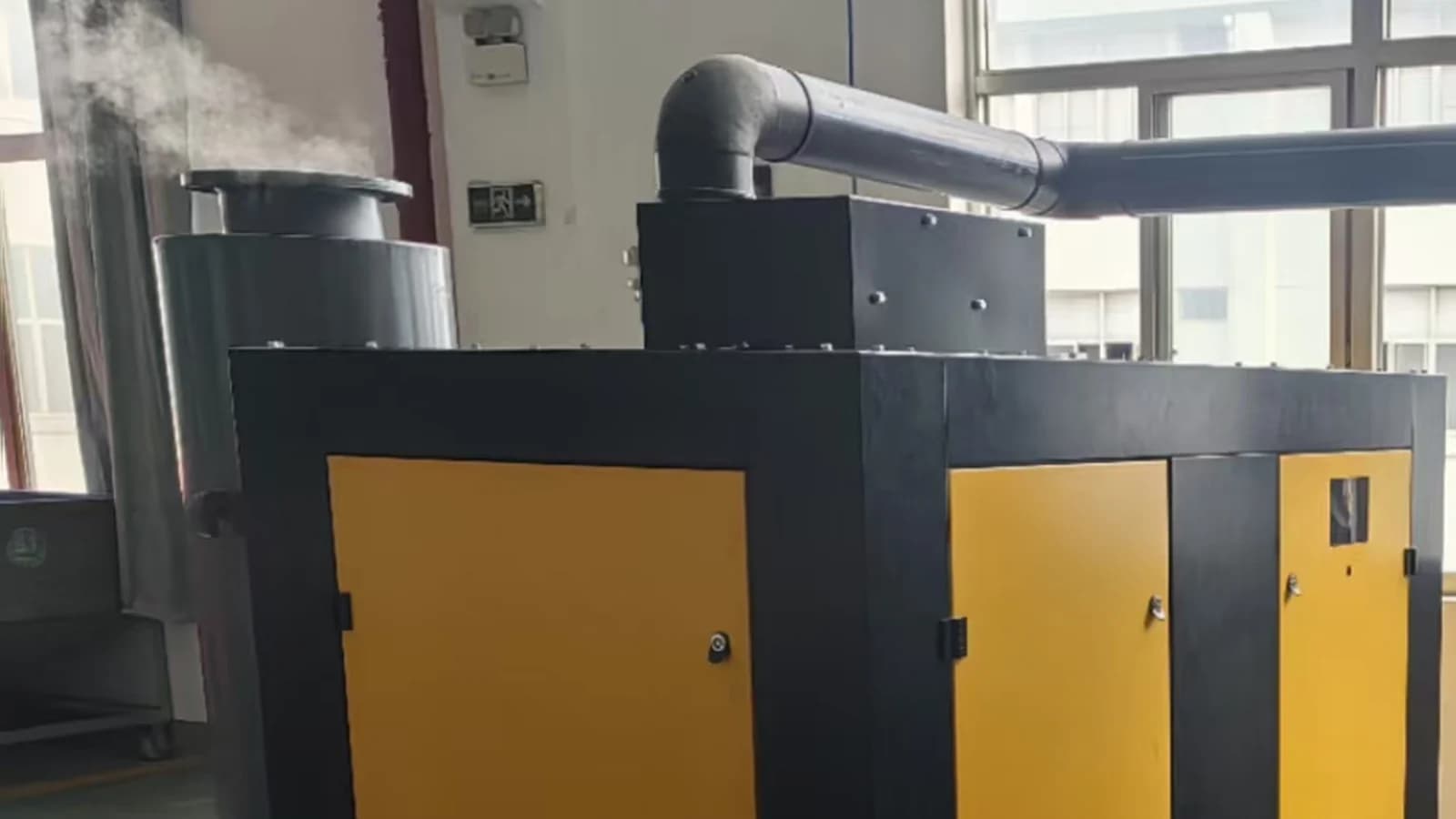
For plastic thermoforming pump selection, start with pressure and required volumetric flow rate, then check cycle recovery, mold volume, leakage, line size, and the current pump setup.
Selection Guide
How to choose a dry screw vacuum pump by working pressure and volumetric flow rate
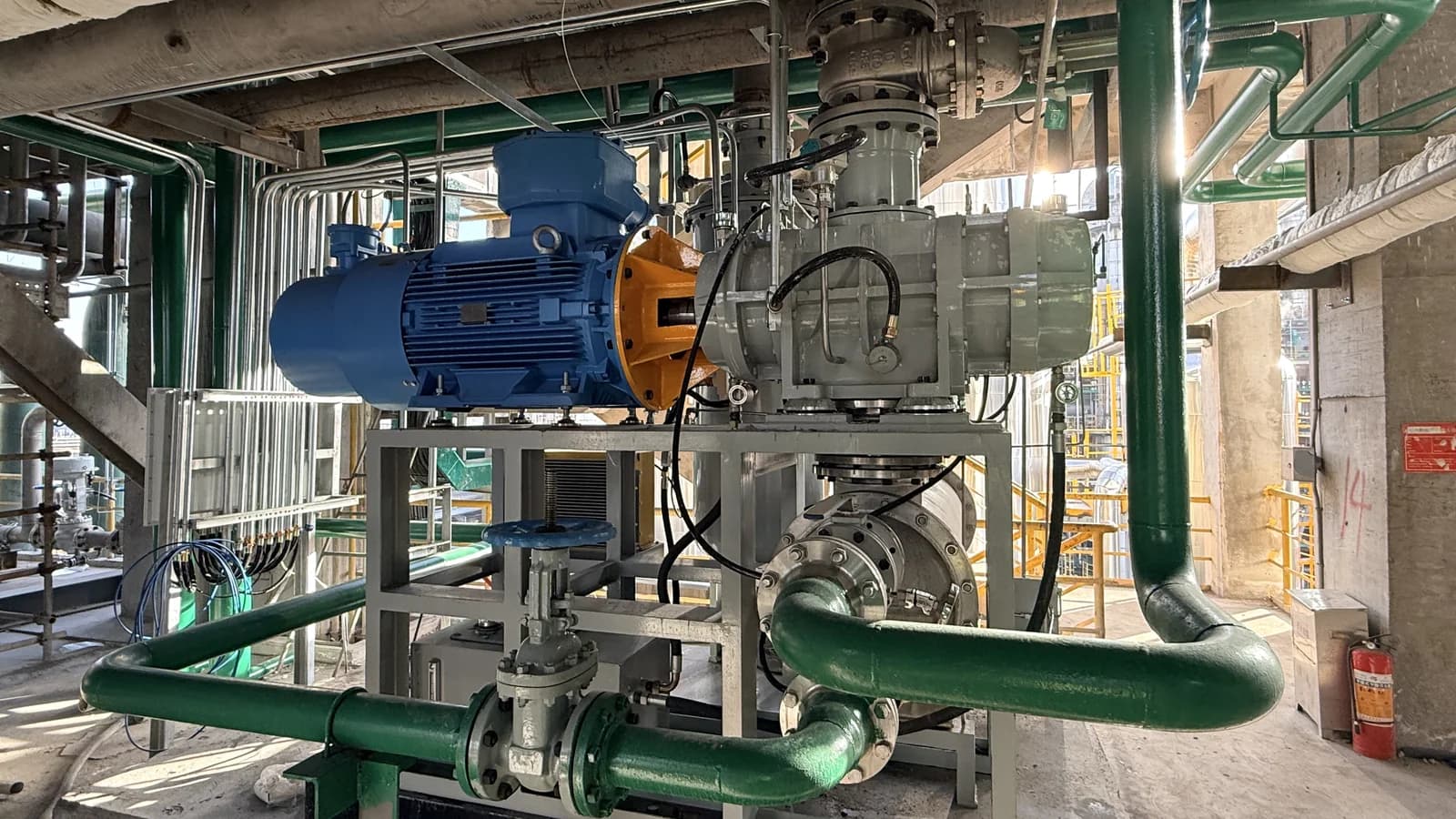
Start dry screw vacuum pump selection with working pressure and volumetric flow rate, then send an RFQ so the actual gas condition, duty cycle, and site requirements can be reviewed.
RFQ Guide
What information is needed before requesting a dry screw vacuum pump quote?
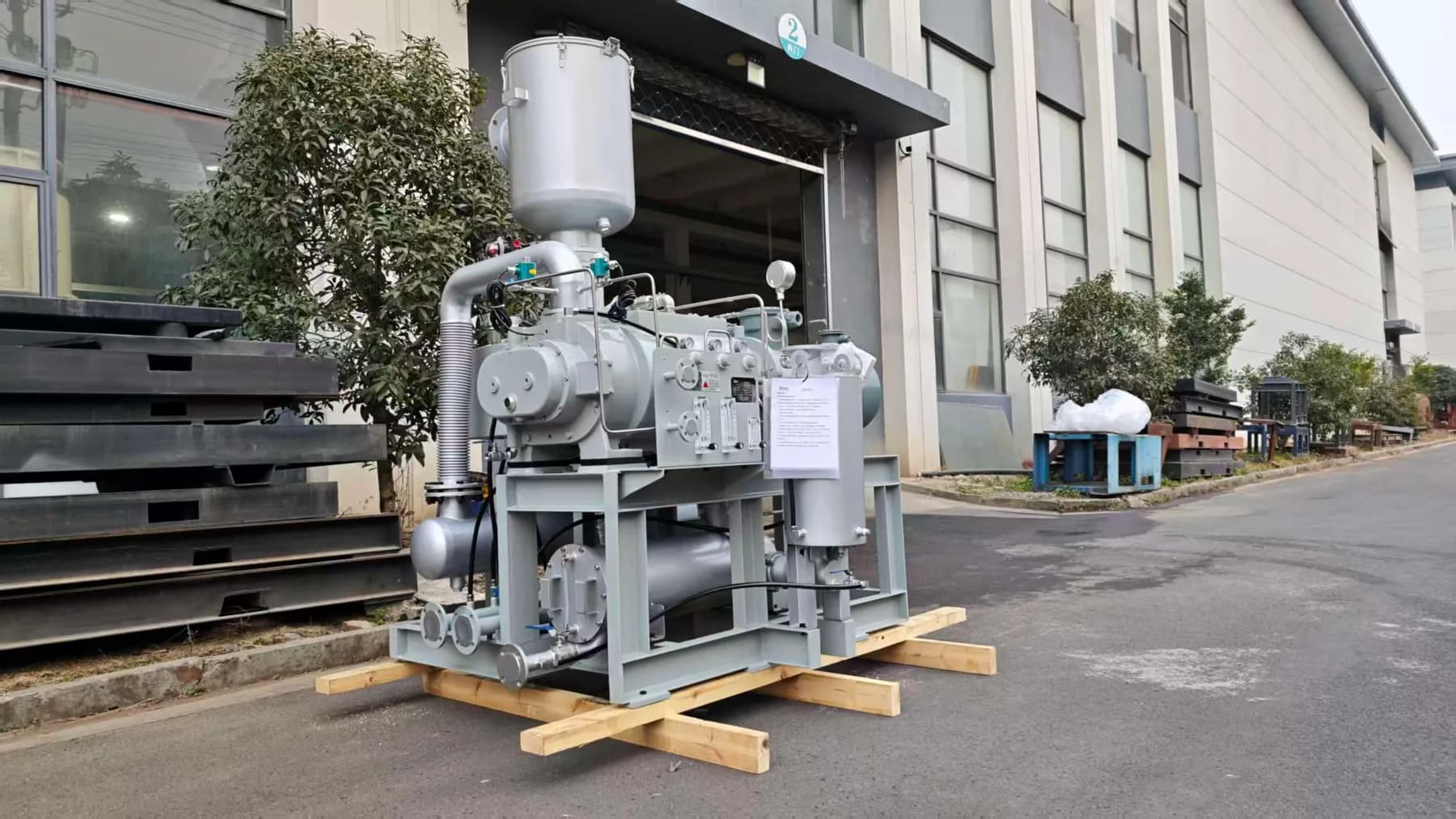
For a dry screw vacuum pump quote, working pressure and volumetric flow rate are enough to begin the first selection review. Process details can be checked during follow-up.